
What Type of Scaffolding Is Best for Solar Panel Installation?
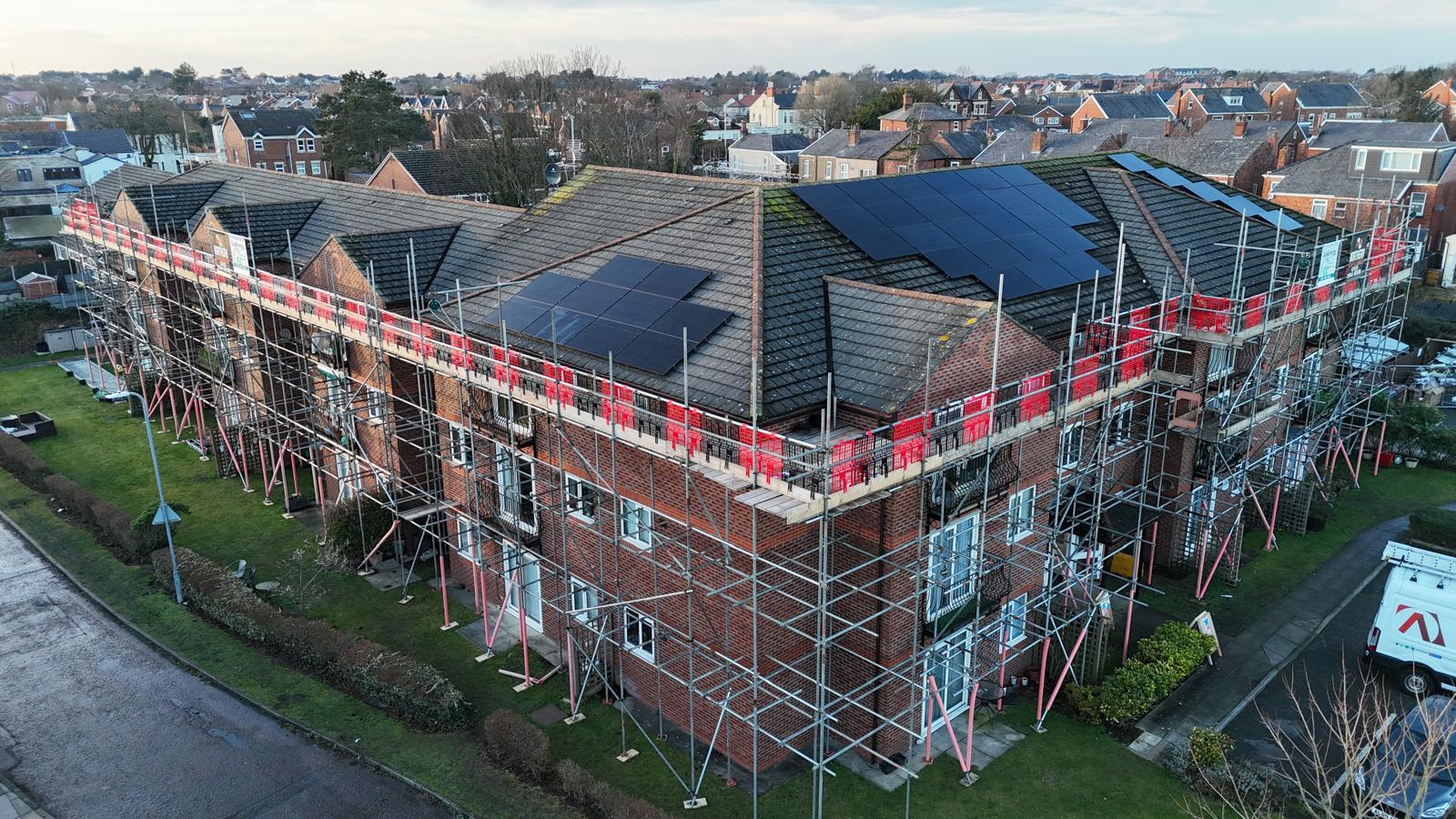
Solar panel installs are becoming more common across the UK, but one thing doesn’t change. The job still comes down to safe, reliable access at roof level.
There isn’t one “best” type of scaffolding for solar panels. The right setup depends on the property, the roof, and how the install team need to work. What matters is that the scaffold allows safe movement, clear access to fixing points, and enough space to handle panels without risk.
Why Scaffolding Is Essential for Solar Work
Solar installation isn’t just working at height. It involves handling large panels, working along roof edges, and moving equipment safely.
A properly set up scaffold gives installers:
- A stable working platform along the roofline
- Safe access without standing on tiles or gutters
- Space to lift and position panels properly
- Compliance with working at height regulations
Without it, the job becomes slower, riskier, and more likely to cause damage.
What a Solar Panel Scaffold Needs to Do
Before choosing a scaffold setup, the job itself needs to be understood properly.
The key requirements are:
- Full roof access so installers can reach all fixing points
- Clear working space along the eaves and edges
- Safe lifting of panels and equipment
- Minimal obstruction to the installation process
This is why most solar jobs use a variation of the same core scaffold setup, adapted to suit the property.
The Most Common Scaffolding Setup for Solar Panels
For the majority of domestic solar installs, an independent scaffold is the go-to option.
This type of scaffold:
- Runs along the front or rear elevation of the property
- Is tied securely into the structure for stability
- Provides a continuous platform at roofline level
It gives installers consistent access across the working area and enough space to move safely along the roof.
Edge Protection and Roofline Access
Solar panels are usually fitted close to the edge of the roof, so edge protection is essential.
This includes:
- Guardrails
- Toe boards
- Safe ladder or stair access
These features aren’t optional. They’re there to protect both the installers and anyone below, and they’re a key part of any compliant scaffold setup.
Working Around Real-World Obstacles
Very few properties are straightforward.
Things like conservatories, extensions, chimneys, and awkward access points all need to be factored in. A good scaffold setup will work around these without blocking the job.
This is where experience matters. It’s not just about putting scaffold up, it’s about making sure it actually works for the install team.
When Temporary Roof Scaffolding Is Needed
Most solar installs don’t need a temporary roof, but there are situations where it makes sense.
For example:
- If roof repairs are being done at the same time
- If sections of the roof are being opened up
- If the work is being carried out during poor weather
In these cases, temporary roof scaffolding protects the property and keeps the project moving.
Choosing the Right Scaffolding Setup
There’s no single answer to what type of scaffolding is “best” for solar panels.
The right setup depends on:
- The size and shape of the property
- The roof layout
- Access and ground conditions
- How the installers plan to carry out the work
The best approach is always to have the site assessed properly before anything is installed.
If you’re planning a solar install and need scaffolding in Liverpool, working with a team like Northern Scaffolding Ltd means the setup is planned around the job from the start, not guessed on the day.