
Do You Need Permission for Scaffolding in Liverpool?
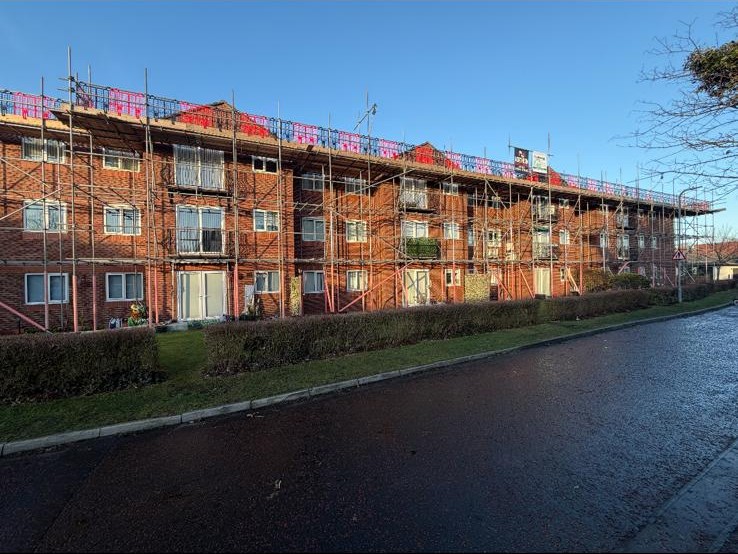
If you’re planning work on your property and need scaffolding, one of the first questions that comes up is whether you need permission.
The short answer is simple. If the scaffolding stays fully within your property boundary, you usually don’t need permission. If any part of it goes onto a pavement or the road, then a permit will be required.
When You Don’t Need Permission
If the scaffold can be erected completely on your land, there’s no need to involve the council.
This is typically the case for:
- Rear extensions
- Work at the back or side of a property
- Sites with enough private space to keep everything contained
As long as it doesn’t affect public access, you’re fine to proceed.
When You Do Need a Permit
Permission is needed when scaffolding extends beyond your boundary and into a public space.
This includes:
- Pavements
- Roads
- Public walkways
In Liverpool, this means applying for a permit through the local council before any work starts. This isn’t something to leave until the last minute, as it can delay the job if it hasn’t been sorted properly.
Who Sorts the Permit?
In most cases, the scaffolding company will arrange the permit as part of the job.
That said, it’s still worth checking it’s been done. If scaffolding is put up without the correct permission, it can lead to fines, delays, or even being forced to take it down.
A decent scaffolder will handle this without you having to chase, but it should never be assumed.
If you’re working with a team that provides Northern Scaffolding Ltd’s level of service, this is usually built into the process from the start.
What About Safety Responsibilities?
This depends on the type of project.
For domestic work, the responsibility for safety on site generally sits with the contractor or scaffolder carrying out the work. They’re expected to install, inspect, and maintain the scaffold properly. If you’re planning work at home, it’s worth understanding how Domestic Scaffolding Services are delivered and managed.
For commercial projects, it’s a bit different. The business or client commissioning the work has a legal responsibility to make sure everything is managed safely, especially where the public or multiple trades are involved. On larger sites, Commercial Scaffolding Services need to be planned around access, sequencing and overall site safety.
Either way, the key thing is that the scaffolding is installed by competent, qualified professionals and regularly checked throughout the job.
What Happens Before Scaffolding Goes Up
Before anything is installed, there should always be a proper look at the site.
This usually involves:
- Assessing access points
- Looking at height and layout requirements
- Deciding what type of scaffold is needed
- Planning around the work being carried out
If you’re unsure where to start, speaking to a company that offers scaffolding in Liverpool is the easiest way to get clear advice based on your specific job.
Common Mistakes to Avoid
A lot of issues with scaffolding come down to poor planning or assumptions.
The most common ones are:
- Assuming permission isn’t needed when it is
- Leaving permits too late and delaying the job
- Going with the cheapest option rather than a reliable one
Scaffolding isn’t just about access. It plays a big part in how smoothly the work runs, so getting it right at the start makes a difference.
In most cases, permission comes down to one thing. If the scaffolding stays on your property, you’re fine. If it goes onto public space, a permit is required.
The easiest way to avoid problems is to work with a scaffolder who handles this properly from the outset.
If you need advice on Northern Scaffolding Ltd or want to understand the best setup for your project, it’s worth having a quick conversation before any work begins.